

Put your fresh food in the right spot to keep your fridge clean and stop food waste for good. This simple guide shows you fridge organization ideas for every shelf, drawer, and door bin. You can finish this full reset in thirty minutes using plain glass containers and clear bins.
How to clean and clear your fridge in twenty minutes
Pull everything out of the fridge and set it on your kitchen counter. Throw away any expired items, empty jars, or old leftovers right now. Take out the removable shelves and plastic drawers so you can wash them properly.
Wash the inside walls and shelves using hot water and two tablespoons of mild dish soap. Avoid heavy scented sprays because food can absorb those smells. Wipe everything dry with a clean cotton towel before putting the shelves back inside. This basic step sets up your home for success, much like the standard practices of everyday Housekeeping.
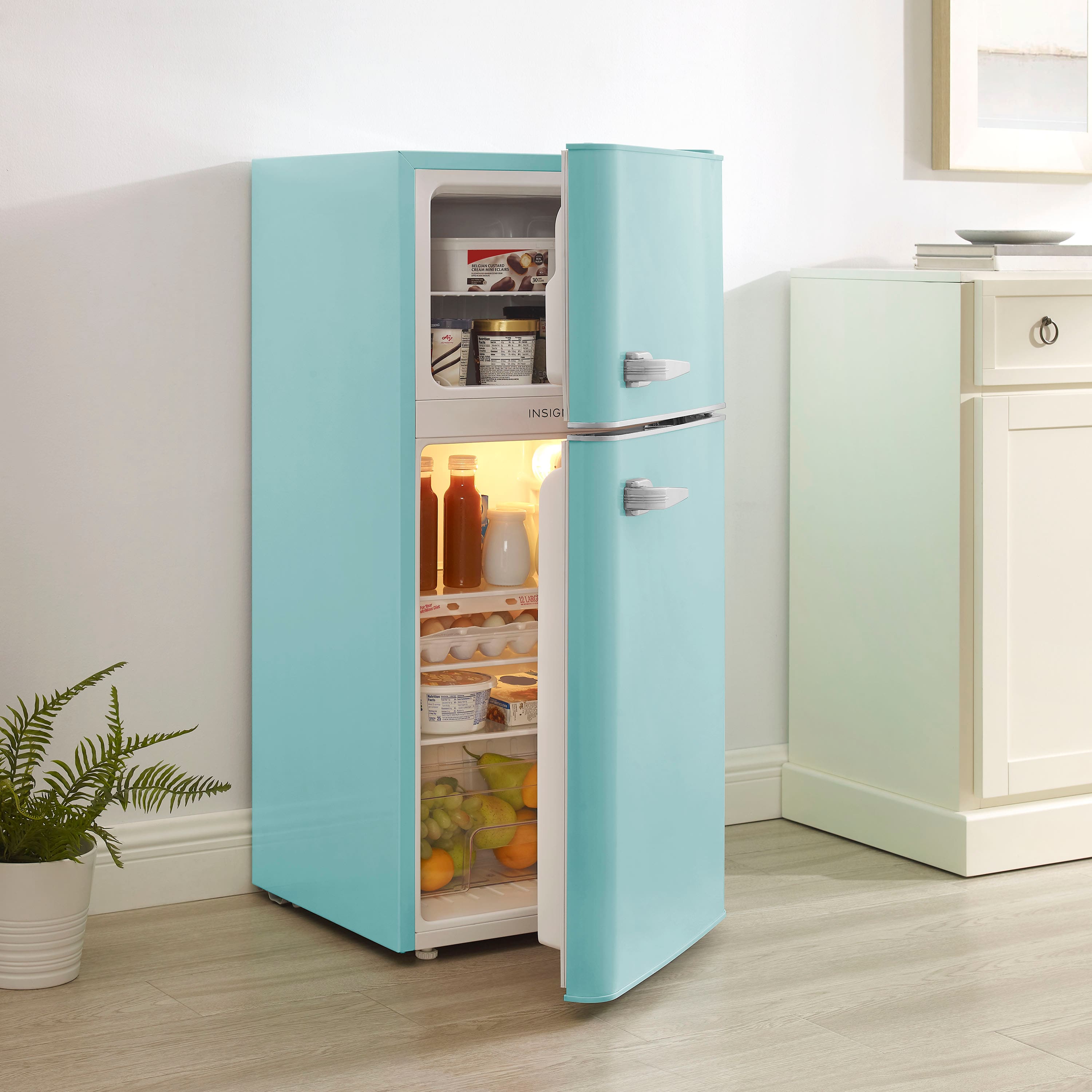
What goes on the top and middle shelves
Reserve your top shelf for ready-to-eat foods, drinks, and snacks. This is the area with the most stable temperature, so it keeps cooked food safe and fresh. Keep items you use every day near the front where you can reach them without moving other jars.
Put your daily dairy items and cooked meats on the middle shelf. Use clear plastic tubs to group small items together so nothing gets lost in the back. Here is the exact order for your upper shelves:
- Top shelf left side: Leftovers packed in clear glass containers with tight lids.
- Top shelf right side: Drinks, yogurt cups, and quick snacks.
- Middle shelf: Eggs, cheeses, sour cream, and deli meats stored in a low tray.
- Back of middle shelf: Extra butter and unopened dairy tubs.
Why lower shelves are for raw meat and milk
Store your raw meat, poultry, and fish on the very bottom shelf of the fridge. This is the coldest area, which stops bacteria from growing on fresh protein. Placing raw meat at the bottom also stops any drips from leaking down onto your ready-to-eat produce or cooked food.
Keep your gallon jugs of milk on the bottom shelf instead of in the fridge door. The door warms up every time you open it, which makes milk spoil much faster. Place a shallow plastic tray under your meat containers so any drips are caught before they hit the glass shelf.
How to use crisper drawers for produce
Set your crisper drawers to match the exact types of fresh food you buy each week. The high humidity drawer keeps thin skin produce from drying out, while the low humidity drawer lets gas escape so fruit does not rot fast. Keeping your drawers in order is a core part of Cleaning your kitchen space.
Do not wash your berries or fresh leafy greens before putting them into the crisper drawers. Extra moisture speeds up mold growth and turns greens soft within two days. Line the bottom of each drawer with a sheet of paper towel to absorb stray moisture and keep the plastic clean.
- High humidity drawer: Carrots, cucumbers, broccoli, spinach, and leafy herbs.
- Low humidity drawer: Apples, pears, grapes, lemons, oranges, and fresh berries.
- Preparation step: Remove tight plastic bags from veggies to allow proper air flow.
- Weekly check: Replace the bottom paper towel liner every seven days.
What to put in your fridge door bins
Use your fridge door bins only for items that have natural preservatives and can handle warmth. The door is the warmest part of your fridge because it touches room air every time you open it. Never store eggs, milk, or fresh cheese in these bins.
Group your door items by type so you can grab what you need during cooking. Put salad dressings in one bin, bread spreads in another, and cold sauces in the bottom section. Wipe down these bins with a damp cloth once every week to catch sticky rings under jars.
Comments
Post a Comment