
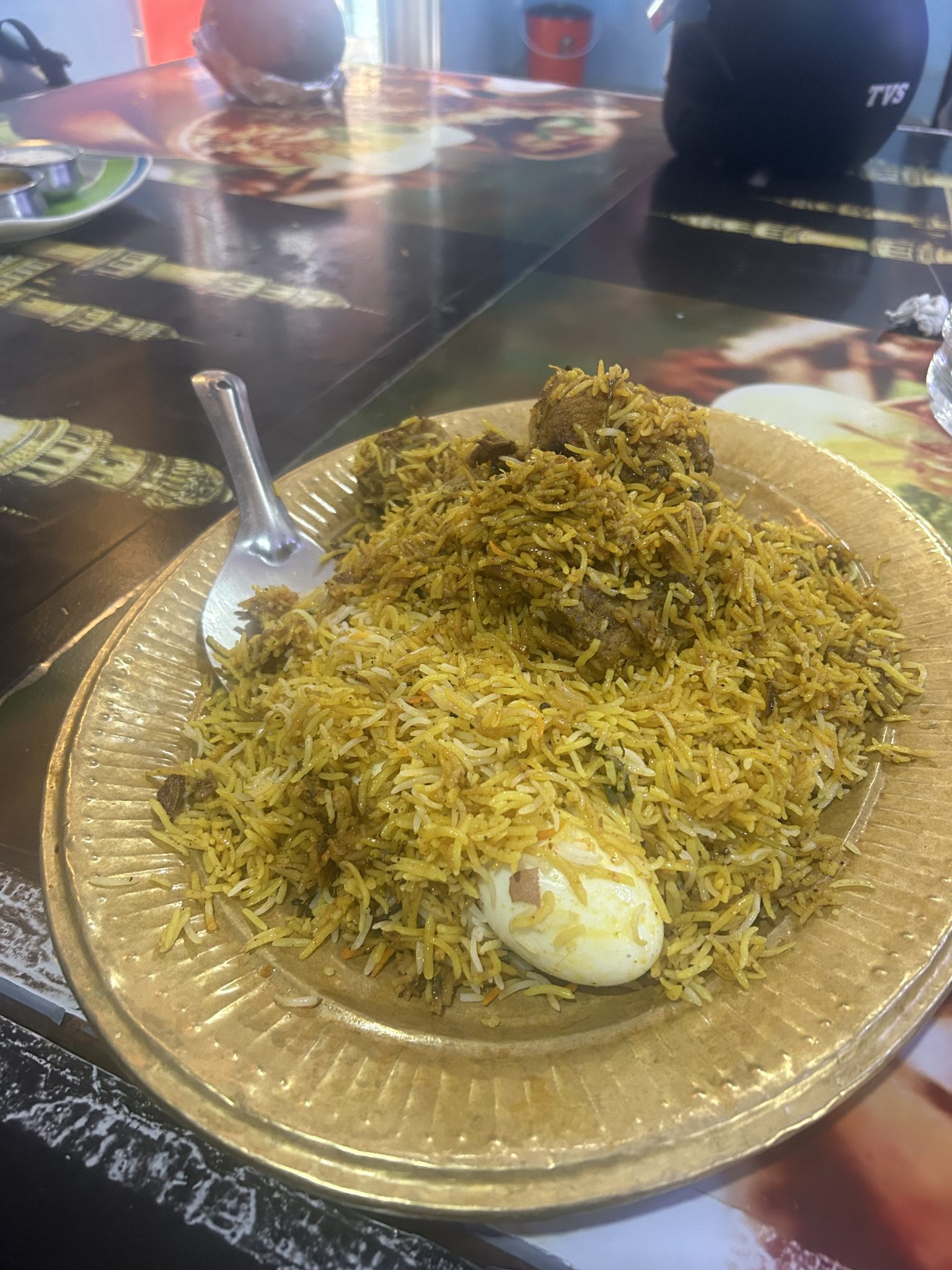
Chicken biryani step by step is much easier than people tell you. You do not need twenty years of cooking practice to get every grain of rice separate and deeply fragrant. You just need to follow the proper order of steps and watch your heat.
The short secret to an unforgettable pot is simple. Marinate your bone-in chicken in spiced yogurt for at least one hour, boil your sella or long-grain basmati rice to exactly seventy percent done, and seal the pot tightly on low steam for twenty minutes. Get those three things right, and your dinner table will smell like a real wedding feast.
What Makes a Real Homemade Biryani Work
Every home cook in South Asia has an opinion on Biryani, and most of them will defend their own style fiercely. Some people insist on raw meat layers, while others make a rich, thick gravy first. For a dependable home dinner, cooking a rich chicken masala base first gives you total control over the spice levels and keeps the meat tender.
When you eat at restaurants, the rice often feels greasy. Commercial kitchens pour ladle after ladle of clarified butter or vegetable oil over the top to keep grains loose. In a home kitchen, you can rely on the natural juices of the chicken mixed with fried onions and sour yogurt. That blend coats every single grain without leaving an oily puddle at the bottom of the plate.
I learned this from watching my aunt cook for thirty relatives on Eid afternoons. She never rushed her onions. She used to sit on a low stool by the stove, stirring two kilos of sliced red onions in a heavy steel pot until they reached a clean, golden brown color. That slow browning forms the true backbone of the dish. If you burn your onions, the whole pot turns bitter. If you leave them pale, your gravy stays watery and sweet.

The Exact Ingredients You Need to Measure
Do not guess your spices when you make this dish. Too much clove will make the rice medicinal, while too little salt will leave the entire meal tasting flat. Keep your spice cabinet handy and measure them out before turning on the flame.
Here is what you need for one kilogram of chicken, which feeds five or six hungry people:
- One kilogram of chicken, cut into twelve curry pieces on the bone. Bone-in meat keeps the gravy rich and keeps the chicken juicy under high heat.
- 750 grams of long-grain aged basmati rice. Older rice absorbs liquid without turning mushy.
- Four medium red onions, sliced thin and even so they fry at the same speed.
- One cup of plain, thick whole milk yogurt, whisked smooth.
- Two tablespoons of fresh ginger paste and two tablespoons of garlic paste.
- Three medium tomatoes, chopped small.
- Four whole green chilies, slit down the middle.
- Spices for the meat: two teaspoons of red chili powder, one teaspoon of Kashmiri chili powder for color, two teaspoons of coriander powder, half a teaspoon of turmeric, one teaspoon of cumin powder, and two teaspoons of salt.
- Spices for the rice water: four green cardamom pods, two black cardamoms, two bay leaves, one stick of cinnamon, four cloves, one star anise, and three level tablespoons of salt.
- Finishing touches: half a cup of fresh chopped mint, half a cup of fresh coriander, a pinch of saffron soaked in four tablespoons of warm milk, and three tablespoons of ghee.
If you like a complete spread on the table, you can pair this pot with a fresh bowl of Chana Chaat for Evening: The Street Style Snack at Home while the main meal sits on the stove.
Step 1: Marinate the Chicken for Deep Flavor
Put your chicken pieces into a wide glass bowl. Add the whisked yogurt, ginger paste, garlic paste, red chili powder, Kashmiri chili powder, coriander powder, turmeric, cumin, and two teaspoons of salt. Use your hands to rub the spices directly into the meat. Make sure you get the paste into every small fold of the chicken pieces.
Cover the bowl and set it aside on your kitchen counter for sixty minutes. If your kitchen runs warm during summer months, slide it into the fridge instead. This resting time lets the mild acid in the yogurt break down tough fibers. It also lets salt soak clear through to the bone, so the meat does not taste plain on the inside.
Step 2: Fry the Onions and Build the Masala
Heat three-quarters of a cup of cooking oil in a wide, heavy-bottomed pot over medium heat. Drop in your sliced onions. Do not walk away from the stove right now. Stir them every minute with a flat wooden spoon.
After about twelve minutes, the water evaporates and the onions turn light tan. Keep stirring constantly for another three to four minutes until they turn a deep, rich brown. Immediately scoop out one-third of these crispy onions with a slotted spoon and spread them on a paper towel. These are your crispy garnishes for the layering step later.
Now, tip the chopped tomatoes into the pot with the remaining onions. Cook them down until the tomatoes soften completely and the oil begins to separate from the edges of the paste. Dump the marinated chicken along with every drop of marinade right into that hot pot.
Turn the heat up to high. Fry the chicken vigorously for seven to eight minutes. You want the raw smell of garlic and ginger to disappear completely. Once the meat turns white on the outside and the gravy bubbles thickly, turn the flame down to medium-low. Cover the pot with a tight lid and let it simmer for fifteen minutes. The chicken will release its own juices, so do not add any extra water. When you lift the lid, you should see a thick, rich masala with chicken that is about eighty percent cooked through. Turn off the flame.
How Do You Boil the Rice Without Breaking It?
This is the question that trips up most home cooks. They either undercook the rice into hard little pellets or let it cook too long into a sticky clump. The secret sits in using a huge volume of water and plenty of salt.
First, wash your rice gently in cold water three or four times until the cloudy starch drains away. Soak the washed grains in clean water for thirty minutes. While the rice soaks, fill your largest stockpot with at least four liters of water. Set it on high heat.
Toss in your whole spices: the green cardamoms, black cardamoms, bay leaves, cinnamon stick, cloves, and star anise. Add the three tablespoons of salt. Yes, three tablespoons feels like a lot, but most of it drains out with the cooking water. The rice grains only absorb what they need. Taste the water before it boils; it should taste as salty as sea water. This trick is well known across authentic Pakistani cuisine because you cannot salt the rice once it is cooked.
Bring the pot to a violent, rolling boil. Drain your soaked rice completely and slide it into the bubbling water. Keep the flame high. Watch your clock closely. After five to six minutes, lift out a few grains with a slotted spoon. Break a grain between your thumb and index finger. It should snap into three firm pieces instead of squishing into paste. It should feel mostly cooked on the outside, with a firm, chalky bite right in the center. That is the seventy percent mark. Immediately pour the rice into a large colander to drain away all the hot water.
Step 3: Layer the Pot and Steam
Now comes the fun part. Grab your wide, heavy pot. If you cooked the chicken in that pot, leave half of the thick meat and gravy on the bottom. If you cooked it in a smaller pan, transfer half the chicken base now.
Scatter half of your drained rice over the warm chicken layer. Scatter half of the saved fried onions, half of the fresh mint, half of the chopped coriander, and two slit green chilies over the rice. Spoon the rest of the chicken and thick gravy on top of that green layer. Cover it with the rest of the rice. Smooth the top layer gently with the back of a spoon, but do not pack it down tightly. Steam needs space to travel straight up through the grains.
Drizzle your saffron milk across the top in thin lines. This gives you those striking patches of bright yellow, orange, and pure white rice that look so good on a platter. Melt your three tablespoons of ghee and pour it evenly over the top layer. The hot ghee drips down through the grains, giving the rice a soft shine and a deep, comforting smell.
For more home style dishes and dinner guides, check out our family recipes for traditional cooking to plan out your full weekend menu.
The Dum: Sealing the Steam
Dum means trapped steam, and it finishes the cooking process. Take a clean, thin kitchen towel and place it flat over the top of the pot. Press the heavy lid down firmly over the cloth, then fold the hanging corners of the towel back up over the lid so they do not catch fire near the burner.
Place a flat iron griddle or tawa directly on your stove burner. Turn the flame to high for three minutes until the iron gets smoking hot. Set your sealed biryani pot directly on top of the hot griddle, then turn the heat down to the lowest possible setting. The iron plate spreads the heat evenly across the whole bottom of the pot, which keeps your chicken from scorching.
Leave the pot completely alone for twenty minutes. Do not open the lid to check. Do not touch the stove. That trapped steam will cook the firm rice cores through to the center while letting the meat absorb the sweet aroma of mint, onion, and saffron.
After twenty minutes, switch off the heat. Leave the pot closed for another ten minutes to let the steam settle down. If you open it immediately, the rice grains will be soft and fragile, and your spoon will snap them in half.
Serving Your Family Feast
Lift the lid off your pot. The cloud of steam that hits your face should smell sweet, spicy, and deeply buttery. Take a wide, flat saucer or a wide rice paddle instead of a deep spoon. Dig gently into one side of the pot and lift upward from the bottom.
Never stir a biryani in circles like a pot of soup. If you stir it in circles, you will mash the grains together. Lift from the base and slide the rice onto a wide serving platter. You will see gorgeous white grains mixed with dark spiced chicken, golden saffron patches, and deep red masala.
Serve the warm platter with a simple bowl of cold cucumber raita and sliced raw red onions tossed with fresh lemon juice. That cool yogurt cuts through the warm spices beautifully. Make this pot once on a quiet Sunday afternoon, take your time with each stage, and notice how quickly the platter empties out.
Comments
Post a Comment